Charity Walk Run Ideas for 2026
Explore charity walk run ideas for 2026 with practical planning tips for nonprofits, schools, faith groups, and volunteer teams. Build with less chaos.
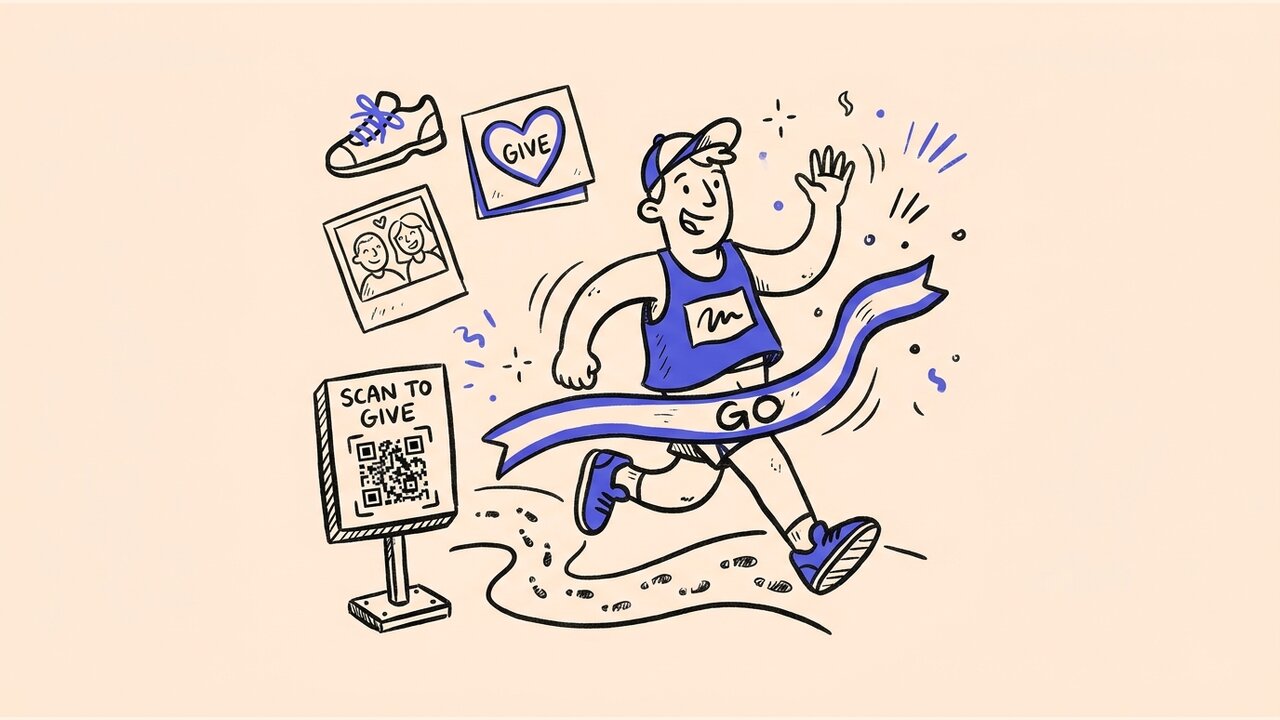
Short answer: The best charity walk run ideas for 2026 combine a simple route, peer-to-peer fundraising, local sponsors, inclusive participation, and a fast follow-up plan. Pick one clear theme, make teams easy to form, build photo moments into the route, and collect event photos in one place for donors, sponsors, and volunteers.
- Choose a cause-centered theme so the event feels meaningful, not generic.
- Give team captains a starter kit with messages, photo prompts, and fundraising goals.
- Make sponsor stations useful with water, music, snacks, coffee, or cheer zones.
- Include walkers, kids, seniors, and remote supporters instead of designing only for runners.
- Plan the recap before race day so photos, thank-yous, and sponsor proof are ready fast.
Who this is for (and not for)
This list is for community organizers, nonprofit development teams, school PTOs, faith groups, foundations, running clubs, and volunteer committees planning a walkathon, fun run, memorial walk, school walk, or charity 5K.
It is especially useful if your team is small, your budget is limited, and your event needs to raise money while strengthening local relationships. If you are organizing a nonprofit fundraiser with sponsors, donors, volunteers, and participants to thank afterward, this guide is for you.
This is not a technical race-director manual for certified courses, elite timing, or complex road closures. For a deeper step-by-step version, read our guide on how to plan a 5K fundraiser .
Why charity walk/runs still work in 2026
Charity walk/runs work because they turn fundraising into visible community action. Participants can invite friends, form teams, post progress, ask for donations, and show up together for a cause that feels local.
In 2026, the strongest events make peer-to-peer fundraising easy, create a good in-person experience, and give sponsors useful proof after the event. Virtual-only races are less compelling than they were a few years ago, but a walk-anywhere option still helps alumni, grandparents, remote supporters, and corporate partner teams take part.
Mobile-first planning matters too. Registration links, donation QR codes, route maps, team updates, and photo sharing should all work from a phone. The less people have to download, print, or remember, the more likely they are to participate.
10 charity walk/run ideas that do more than fill a route
1. Mission mile markers
Place signs along the route that connect distance to impact: “$25 funds one backpack,” “One lap supports one week of meals,” or “Your team helped serve 40 families.” These signs turn a walk into a story donors can understand.
2. Team captain starter kits
Give captains a ready-to-send email, three social captions, a sample goal, and a photo prompt. Busy parents, board members, and volunteers recruit more when they do not have to write from scratch.
3. Sponsor cheer zones
Replace passive logo signs with sponsor-hosted stops. A cafe can run a coffee table, a gym can lead warmups, a pet store can host a dog treat station, and a local business can sponsor the finish arch. Capture sponsor photos for the recap.
4. Walk-anywhere week
Let remote supporters complete their miles during event week and upload a selfie or team photo. This works well for distributed faith communities, alumni networks, grandparents, and companies with multiple offices.
5. Honor bibs and dedication signs
Ask participants to write who they are walking for. This is powerful for health causes, memorial events, animal rescue groups, schools, and family-support nonprofits.
6. Kids mini-loop
Add a short, stroller-friendly loop before the main walk/run. Keep it untimed, safe, and celebratory. PTOs, churches, libraries, and family-service nonprofits can use this to include younger siblings without slowing the full event.
7. Photo scavenger hunt
Give participants prompts like “team spirit,” “volunteer high-five,” “sponsor stop,” “best costume,” “three generations walking,” or “finish-line smile.” This creates better photos and gives walkers something fun to do beyond counting miles.
8. Local business passport
Partner with nearby cafes, bakeries, gyms, running stores, bookstores, or farmers market vendors. Participants collect stamps, scan QR codes, or take photos. Sponsors get foot traffic, and the event feels rooted in the neighborhood.
9. Low-waste theme walk
Use cause colors, team bandanas, chalk, reusable signs, ribbons, or digital downloads instead of disposable plastic swag. This fits schools, environmental groups, and budget-conscious committees that want a more thoughtful event footprint.
10. Finish-line recap wall
Show approved participant photos on a screen at the finish area, breakfast table, or awards moment. Afterward, use the same gallery for donor thank-yous, sponsor reports, volunteer appreciation, and next year’s save-the-date.
A quick charity walk/run planning checklist
8 to 12 weeks out: Set your fundraising goal, choose a route, confirm permits, recruit a committee, open registration, and draft sponsor packages. For larger road races, start 4 to 6 months out.
4 to 6 weeks out: Recruit team captains, assign volunteer roles, order signage, confirm water stations, create donation prompts, and decide where photos should happen. If your event is race-focused, see how Gather Shot supports race events .
Event week: Walk the route, send participant emails, brief volunteers, print QR code signs, check sponsor needs, confirm first aid, and choose one weather decision owner.
48 hours after: Send thank-yous, share the gallery, report early results, send sponsor photos, and ask participants if they want first notice for next year. For photo workflow ideas, use our event photo collection guide and our guide to race photo sharing with QR codes .
How Gather Shot fits into the plan
Gather Shot is a photo sharing platform for events. It does not replace registration, donation processing, permits, insurance, chip timing, or your donor CRM. It helps with the memory and recap layer many charity walk/runs forget.
With Gather Shot, participants, volunteers, spectators, and sponsors can scan one QR code and upload photos from their browser with no app required. Organizers can use branded event pages, moderation, co-host roles, flexible upload windows, a live slideshow, guest consent and email capture, custom guest data, and photo scavenger hunts when those tools fit the event.
Use Gather Shot when your team wants participant photos, sponsor proof, and a cleaner recap without chasing images across texts.
Pitfalls to plan around before race day
Check permits for parks, streets, school grounds, tents, sound, food service, and road closures. Confirm event liability insurance and ask whether the venue or municipality needs to be named as additional insured.
Build a safety plan that covers route marshals, busy crossings, cones, signage, first aid, water, emergency contacts, heat, storms, air quality, and a lost-child procedure. Make the route accessible with a shorter option, rest areas, clear bathrooms, and language that welcomes walkers.
For school, youth, health, or memorial causes, be careful with photos. Post clear notices, offer opt-outs, moderate public galleries, and avoid pairing children’s names with images. Check state rules before raffles, and avoid promising tax deductibility unless your organization can issue proper acknowledgments.
Frequently asked questions
How far in advance should you plan a charity walk/run? Start 8 to 12 weeks out for a small park, school, or trail event. Start 4 to 6 months out for a road race, larger 5K, or event that needs police support.
How do charity walks and runs raise money? Use registration fees, peer-to-peer fundraising pages, team goals, checkout donations, business sponsorships, matching gifts, and day-of donation QR codes.
Do we need chip timing for a charity walk/run? Usually no. A community fundraiser can use a clock, fun awards, or untimed participation. Save chip timing for competitive events where rankings matter.
What is the best charity walk/run idea for a small nonprofit? Start with a team-based walk that includes mission mile markers, local sponsor stations, and a post-event photo recap. It is simple, affordable, and useful for follow-up.
How do we collect photos from participants and volunteers? Use one QR code that links to a shared event gallery. With Gather Shot, guests upload from their browser with no app required, and organizers can moderate, tag, and download photos afterward.
Summary and next steps
The best charity walk run ideas make fundraising easier before the event, create belonging on race day, and produce useful follow-up after everyone goes home. Choose one strong theme, give captains and sponsors specific jobs, design for walkers as much as runners, and plan your photo recap from the beginning.
If you want a lower-chaos photo workflow, create a Gather Shot event before registration opens, print the QR code on signs, and invite one volunteer to manage the gallery during and after the walk/run.
Written by
Gather Shot TeamThe Gather Shot team writes guides, planning resources, and product updates that help event hosts and photographers collect guest photos without asking anyone to download an app.
Related articles
More practical guides selected from the same event photo sharing topics.
How to Plan a 5K Fundraiser: A Complete Guide
Plan your community 5K fundraiser in 4-6 months. Covers permits, volunteers, promotion, and how to turn race-day photos into sponsor-ready follow-up.
Jan 7·5 min read
Volunteer Appreciation Picnic Ideas for 2026
Volunteer appreciation picnic ideas for 2026. Creative themes, games, photo prompts, and planning tips for nonprofits, schools, and community groups today.
Jul 2·6 min read
10 Fundraising Gala Trends to Raise More in 2026
Use these fundraising gala trends for 2026, from recurring gifts and matching donations to guest photo moments that delight donors and deepen follow-up.
Jun 8·7 min read